The Roof Pitch Is Only One Part of Access
A steep roof signals caution, but the ground below may decide the job before pitch matters. Sloped beds, retaining features, loose rock, steps, window wells, and narrow side yards can prevent stable ladder placement. A lower roof can also block the correct angle and tempt a dangerous sideways reach.
Walk the entire work area from ground level. Identify power lines, gates, branches, doors, and surfaces that can shift. If the ladder cannot stand on firm, level ground without improvised blocks or a movable base, do not set it up.
Colorado Weather Changes the Same Roof
Dry does not always mean safe. Strong sun can make shingles and metal hot, while heat affects grip and judgment. Wind creates movement at the ladder and catches tools or debris. Mountain clouds and gust fronts can build quickly enough that a planned afternoon job no longer has a stable weather window.
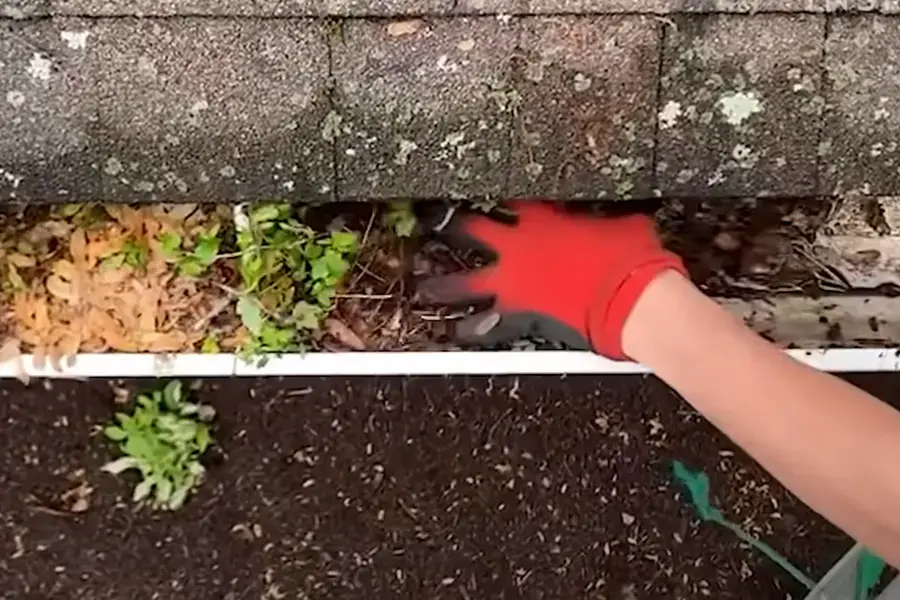
Rain, frost, snow, and ice are clear stop conditions. Wet gutter debris also makes gloves and rungs slippery. Check both the forecast and the visible sky, then postpone at the first sign that conditions are changing. A clogged gutter can wait; an approaching cell will not pause for cleanup.
Keep the Task Within the Rails
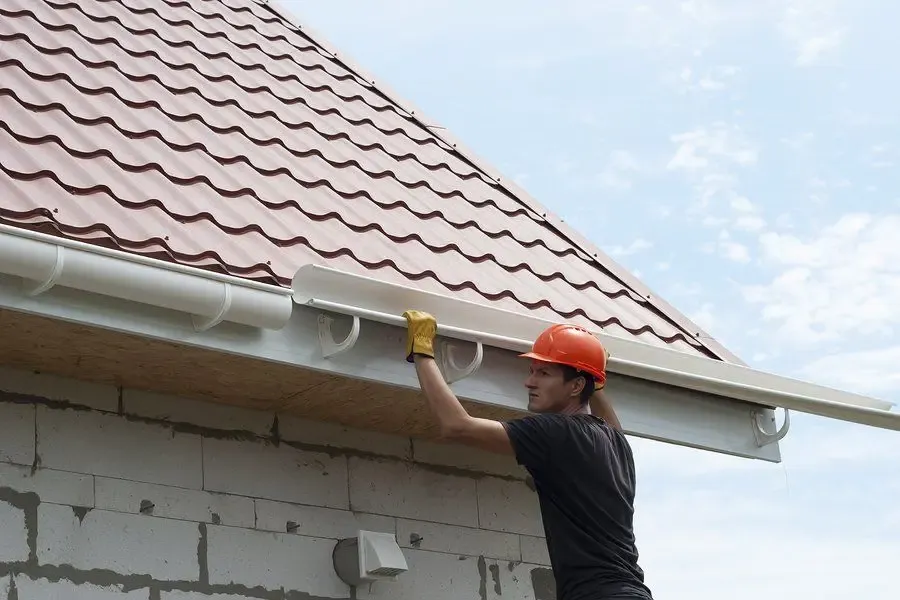
Use a sound ladder appropriate for the required height and follow every label and manufacturer instruction. Have another adult nearby. Wear footwear with clean, secure tread, and carry as little as possible while climbing. Tools should not interfere with hand contact or balance.
During work, keep your body centered between the side rails. If debris lies beyond comfortable reach, descend and reposition. Do not stand on prohibited upper steps, place a ladder on another object for extra height, or bridge between roof sections. Never use the gutter itself as a handhold; its attachment may be loose or concealed by debris.
These principles sound slower than leaning one more foot. That extra setup time is the work, not a delay in the work.
Stepping Onto the Roof Changes the Category
A ladder task can become roof work without much warning. A person reaches the eave, sees debris farther back in a valley, and considers stepping across. On a steep or sun-baked roof, that decision carries a different fall path and may affect roofing material.
If the job requires walking the roof, crossing a ridge, working near an edge without appropriate protection, or reaching a valley from above, it is no longer a simple homeowner gutter cleaning. Stop and choose professional service. The same boundary applies after hail, when roof condition may be uncertain.
Frozen Gutters Are Not a Ladder Project
Do not place ladder feet on snow or ice. Do not climb beneath hanging ice or a loaded roof edge. Striking, prying, or heating a frozen gutter can release material unpredictably and damage the system. Wait for a natural thaw, dry footing, and stable components.
After thaw, inspect from below for movement, open seams, or standing water. A gutter repair assessment may be appropriate if the run shifted. Cleaning may remove the debris that held meltwater, but it cannot restore a failed attachment.
Decide With a Stop-Rule List
Before starting, name the conditions that will end the attempt:
- ladder feet cannot sit fully on firm, level ground;
- the run requires leaning outside the rails;
- wind begins moving branches or loose debris;
- clouds, lightning risk, or rain approach;
- the surface is wet, icy, or excessively hot;
- reaching the clog requires stepping onto the roof;
- nearby lines or structures prevent correct placement.
If one condition appears, put the tools away. A stop rule made on the ground is easier to follow than a judgment made at the eave.
DIY Is Fine When the Setup Is Fine
A short one-story run above level ground, in dry calm weather, with a sound ladder and another adult nearby can be a reasonable homeowner task. Remove material in small sections, descend to move the ladder, and keep debris away from the outlet. If the channel is already open, no cleaning is necessary.
Review the complete homeowner safety checklist before choosing. If height, pitch, terrain, or weather places the job outside your stop rules, call (719) 628-7121 for a free quote instead.