Services for Every Season
Colorado Springs weather rarely arrives in a tidy sequence. A dry stretch can leave pine needles waiting on the roof, then one monsoon cell sends water and loose material toward the same narrow outlet. Spring snow may melt under a bright afternoon sun and refreeze after dark. Gutter care here works best when it follows what the sky and nearby trees have actually done—not a date circled months ago.
Gutter Cleaning
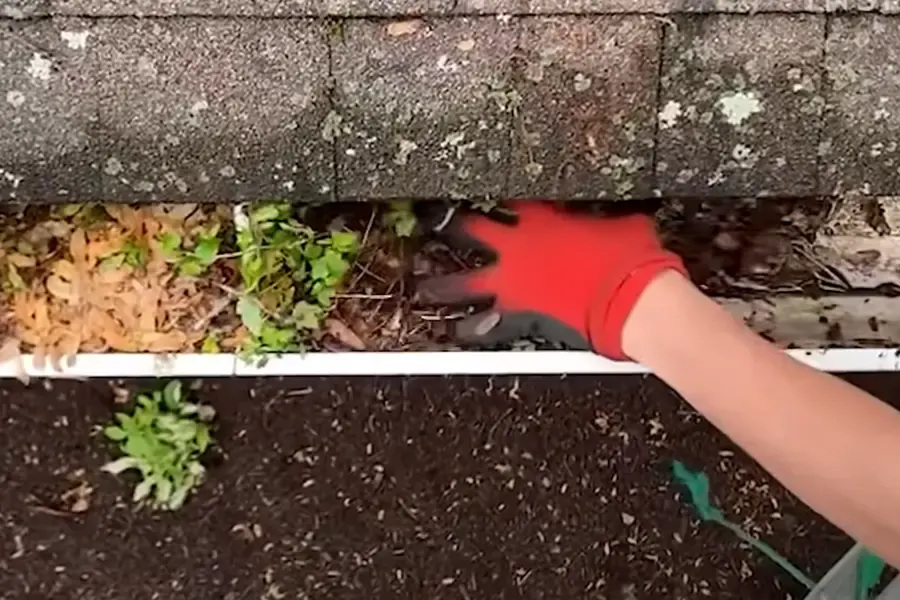
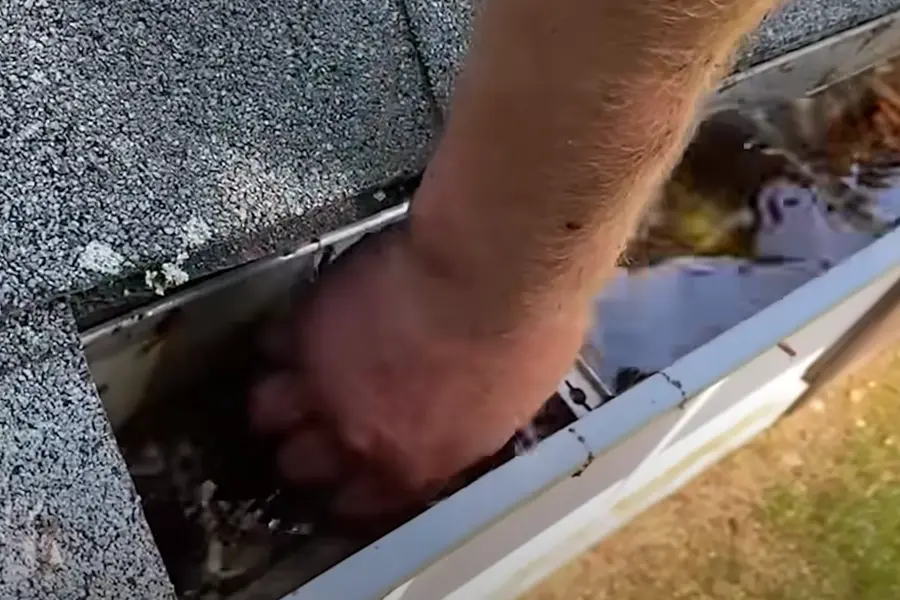
Cleaning removes the needles, leaves, seed material, roof grit, and mud that narrow a gutter channel or plug a downspout opening. Ponderosa needles are especially persistent because they cross over one another and form a mat. That layer can look thin from the ground while it traps smaller particles underneath. Learn what is included on our gutter cleaning page, or call when runoff is already spilling where it should not.

Gutter Repair
A clear gutter can still leak at a seam, hold water because its pitch has shifted, or pull away where fasteners have loosened. Freeze–thaw cycles add stress when wet material stays in the channel, and hail can leave a reason to look more closely without assuming every dent requires replacement. Gutter repair focuses on identifying the specific failure before choosing a correction.

Gutter Guards
Guards can limit larger material that reaches an open gutter, but they do not make a roofline maintenance-free. Pine needles can lie across screen openings, fine material can settle below a cover, and brittle plastic may not be a good match for intense sun and hail exposure. Our gutter guard guide explains where protection can help and where regular cleaning may be the simpler choice.

Gutter Installation
Replacement becomes worth discussing when sections are badly distorted, recurring leaks are spread across a run, or the existing layout sends water toward the wrong place. A sensible gutter installation plan considers roof edges, outlet locations, downspout routes, and the ground below. The objective is not merely new metal; it is a continuous drainage path that makes mechanical sense.

Roof Cleaning
Loose needles and leaves on a roof eventually travel downhill. Clearing that material can reduce the next surge into the gutter and reveal areas that deserve a closer look. Roof work calls for restraint: the roof material, pitch, access, and debris type should determine the approach. Visit roof cleaning for a practical overview of what to consider.

DIY Planning
Some gutter work is reasonable for a homeowner. A short run on a one-story house, level ground, dry roofing, calm weather, and a sound ladder setup make a very different job from a steep west-side roof or an upper story above a slope. Our DIY gutter cleaning guide helps you make the go-or-stop decision before climbing.
Why Local Gutter Work Is Different
The Front Range combines debris and weather in ways that reward observation. The best question is not simply, “Has it been six months?” It is, “What has collected, what is coming next, and can I check it safely?”
Pine Needles Build Layers
Ponderosa needles do not behave like broad leaves. They align, overlap, and catch on screen edges. In tree-heavy parts of Black Forest, Monument, and Broadmoor, thatch can bridge over a guard while water follows the edge instead of dropping through. Removing the top layer without checking the channel and outlet below may leave the actual restriction untouched.
Storms Move Debris All at Once
Wind shifts dry material across a roof. Hail shreds leaves and can loosen roof granules. Then a forceful summer downpour carries that mixed load toward elbows and underground transitions. A gutter that handled light rain can overflow when the same route receives water quickly. Post-storm checks are useful because they connect maintenance to the event that changed conditions.
Sun and Ice Work on Materials
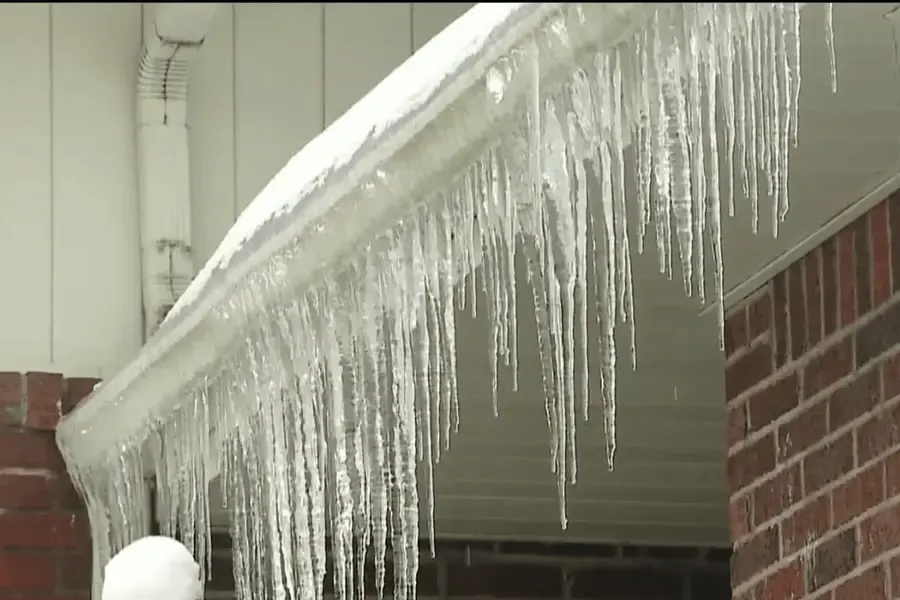
High-elevation sunlight can make older sealant and some plastic products brittle. In the colder part of the year, snowmelt trapped by debris can refreeze in seams and around fasteners. These mechanisms do not mean a system has failed; they explain why an inspection should look beyond the visible leaf pile.
A Practical Service Visit
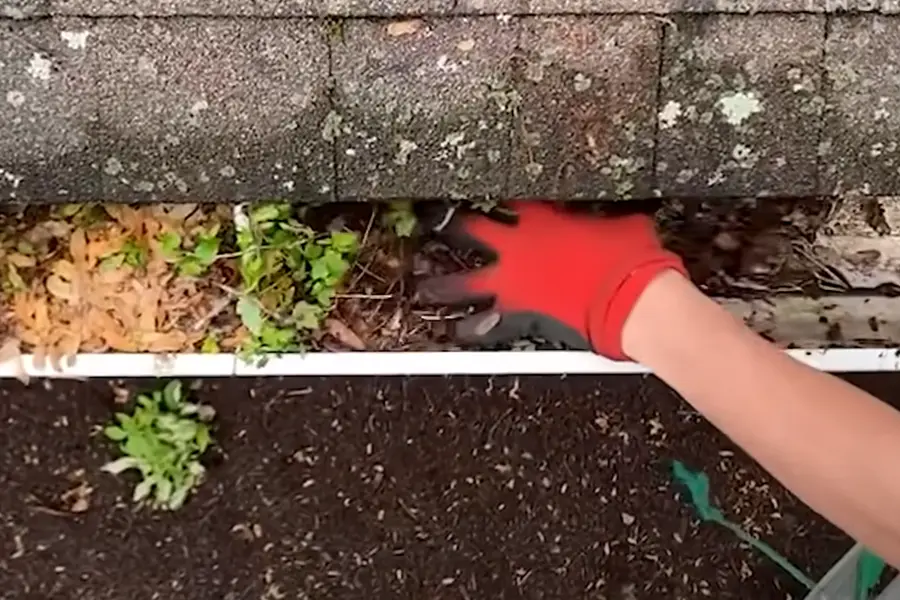
A good gutter visit begins at ground level. Where did overflow appear? Is one downspout quiet while the others discharge? Does the fascia show a wet line behind the gutter? Are there power lines, sloped beds, hardscape, or roof sections that change safe access? Those observations shape the work before a ladder is moved.
At the roofline, debris should be removed from the channel rather than pushed toward an outlet. The downspout opening needs its own check because a clear run can still feed a plugged throat. When conditions allow, controlled water can help confirm the route and show whether a section holds water. Any leak, separated joint, or unusual movement should be described as an observed condition—not turned into a sales pitch for replacement.
Afterward, the useful result is clarity. You should know what was blocking flow, whether the route is open, and whether a separate repair deserves consideration. If the gutter was already clean enough to move water, the honest answer may be that another cleaning is not needed yet.
Questions Worth Asking
How often should gutters be cleaned here?
There is no single interval for every property. A home below pines may need attention after needle drop, while an open lot may stay clear much longer. Check after meaningful tree debris, a hail or wind event, and before wet material is likely to freeze. Clean when the inspection shows a restriction rather than buying work by the calendar alone.
Do guards solve the pine needle problem?
They can reduce what enters the gutter, but the opening size and surface shape matter. Long needles can span perforations or collect at the low edge of a screen. Even a well-matched product needs a way to shed or remove surface debris. If the roof is easy to access and the debris load is modest, periodic cleaning may cost less and create fewer components to maintain.
What should I look for after hail?
Start from the ground. Look for gutters that have shifted, seams dripping, outlets buried under shredded leaf material, and unusual amounts of granules in discharge areas. Do not climb onto a wet or recently damaged roof to investigate. A gutter check complements a roof assessment; it does not determine the condition of roofing materials.
Is dry debris in a gutter a wildfire concern?
Needles and leaves at a roof edge are combustible material. Clearing them is a straightforward part of defensible-space upkeep in the wildfire-urban interface. The task should be treated as routine housekeeping, not a guarantee against embers or a reason for alarm. Roof valleys, decks, and other collection points also deserve attention.
Can I clean the gutters myself?
Sometimes. Keep the work to a stable, reachable area in dry and calm conditions. Plant the ladder on stable, level footing, stay centered inside its side rails, and have another adult present. Stop if the ground slopes, the roof is steep, the run is above a lower roof, or you would need to lean around an obstacle. Read the full DIY safety checklist before deciding.
What if water still spills after cleaning?
Debris may not be the only issue. The gutter could lack pitch, an elbow could remain obstructed, a seam could be open, or runoff may be overshooting the channel at a concentrated roof valley. Observe where the water begins to leave its intended path. That location is more useful than assuming a larger gutter or a guard will fix every overflow.
Weather Signals to Watch
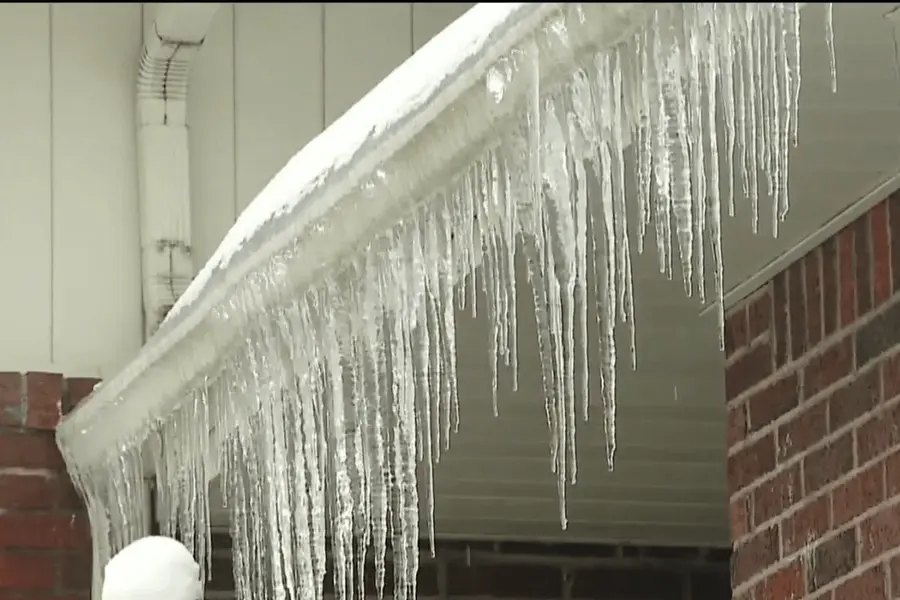
Look up after the event, not during it. Once conditions are calm, a ground-level walk can reveal fresh debris on roofs, stains beneath a seam, splash marks below an overflow point, or a downspout that did not discharge. After a wet spring snow, wait for ice to release naturally before considering roofline work. After hail, keep off questionable roofing and treat loose granules as an observation for a roofing professional, not a gutter diagnosis.
The same restraint applies in summer. Dark clouds, gusty outflow, and fast-changing mountain weather are reasons to postpone ladder work. A clogged gutter is inconvenient; climbing while a cell approaches turns it into an avoidable safety problem.
Front Range Gutter Care

Colorado Springs Gutter Cleaning serves the city and nearby communities with a simple premise: follow the water, respect the height, and recommend only the work the system shows it needs. That may mean clearing a downspout throat, discussing a loose section, comparing guard materials, or leaving an already open channel alone.
If you can describe the building height, nearby trees, and where water appears, we can start with the right questions. A photo taken safely from the ground can also help explain the problem. For a quote, use the form above or call (719) 628-7121.
Get a clear gutter plan
A free quote gives you a clear next step.
Read the Last Weather Event
Tell us what changed after hail, a monsoon downpour, wet spring snow, or a freeze-thaw cycle. Shredded leaves and roof granules after hail point to a different inspection than a dry mat of ponderosa needles. Overflow in one short section differs from water behind an entire run. We begin with the observed location and keep cleaning, repair, and roof-condition questions separate.
Include the full Colorado Springs-area address, building height, roof pitch, nearby pines or cottonwoods, guards, and safe ground access. Note Woodland Park when the property is in Teller County. No one should climb a steep or sun-baked roof to take close photographs for a quote. Ground-level images and a description during rain are enough to start a practical roofline plan.